Popcorn Ceiling Dust and Attic HVAC Systems in DFW Homes
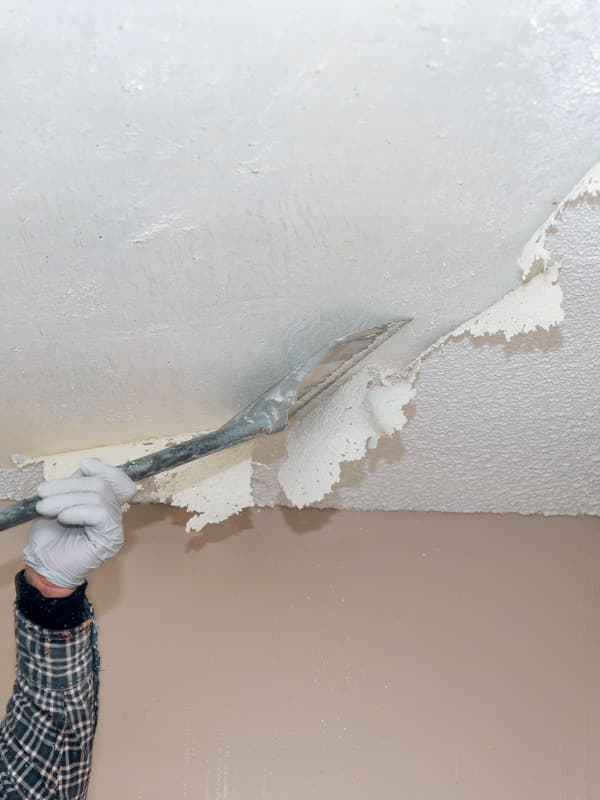
In most DFW homes, the furnace and air handler sit up in the attic, and the big return grille is in the hallway ceiling. If someone scrapes popcorn with the system running, that return pulls texture dust straight into the ductwork, and you're breathing it in every room for weeks. It's one of the most common problems we hear about from people who hired an inexperienced crew or tried it themselves.
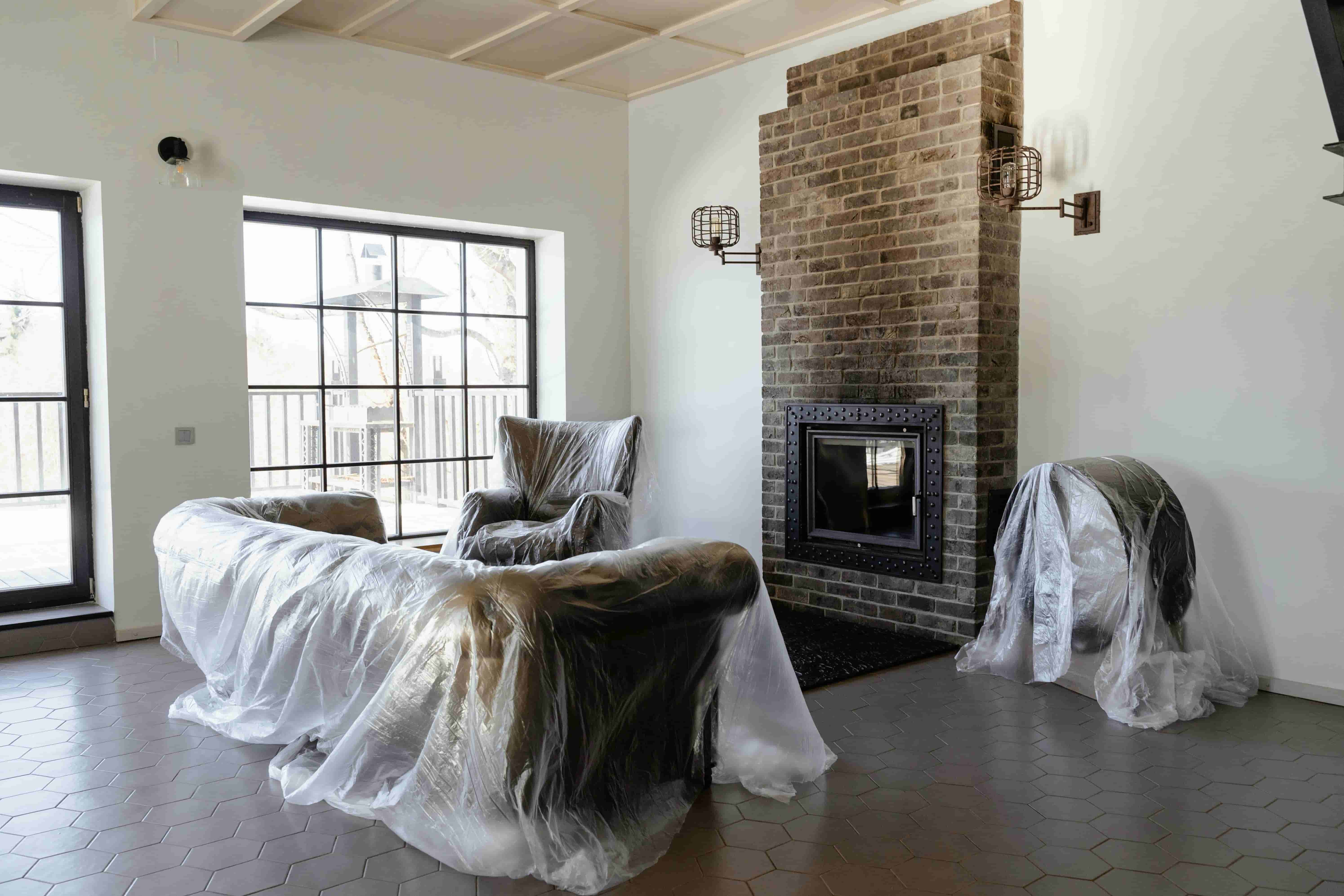
We shut the system off before we start, seal every supply vent and return, and don't open them back up until the room is vacuumed and wiped down. In July and August we plan the work so your AC is off for as little time as possible, usually starting early in the morning before the house heats up.
Ceiling Cracks From Foundation Movement and Clay Soil
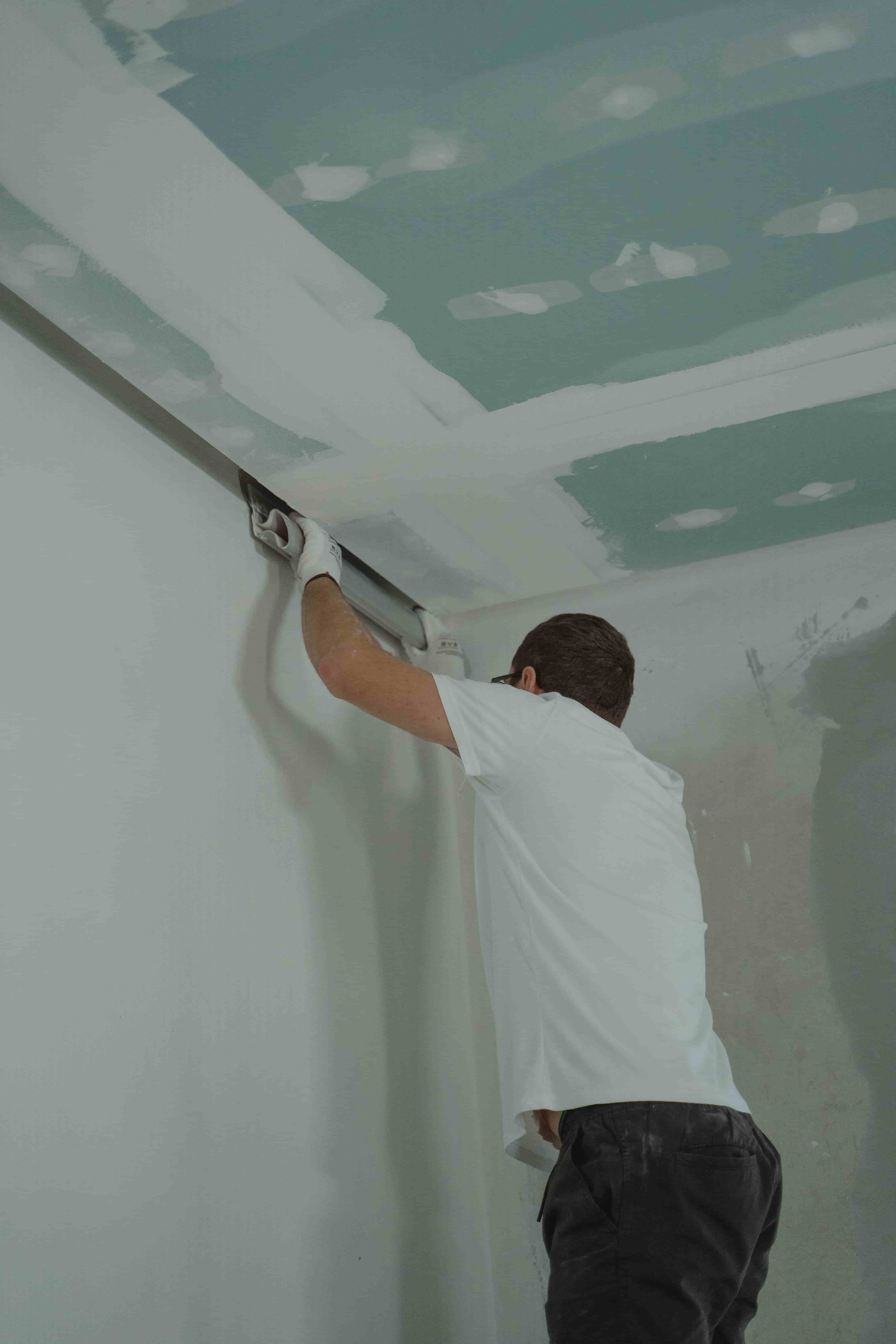
Much of Dallas, Plano, Richardson, Arlington and the surrounding cities sit on expansive clay that swells when it rains and shrinks hard during drought. Houses here shift a little every year, and that movement shows up first at drywall seams and where the ceiling meets the walls. Popcorn has been hiding those cracks for decades. When it comes off, we don't just fill them, because filler is rigid and the crack comes right back the next dry summer. Instead, we cut out the failed tape and re-tape the seam so it can flex with the house.
If we see a crack wide enough to slide a credit card into, a crack that runs from the ceiling down a wall, or doors nearby that suddenly stick, we'll point it out. Most of the time it's normal settling that we can fix as part of the job. Sometimes it's worth having a foundation company look before you put money into the ceiling, and we'd rather tell you that honestly than paint over a problem that comes back.
Water Stains on Popcorn Ceilings After Hail and Roof Leaks
North Texas gets serious hail, and after a big storm we get calls about brown rings on popcorn ceilings. We also see them under attic AC drain pans that overflowed in summer. Get the leak fixed first, then call us. We check the drywall with a moisture meter to make sure it's dry and solid, seal the stain with a stain-blocking primer so it can't bleed through your new paint, and finish the ceiling to match. If the drywall went soft, we cut out that section and replace it before finishing. Once drywall has soaked through, the core crumbles and the paper face loosens, so it can sag over time and won’t hold joint compound or paint. Finishing over it would only hide the damage until it cracks or stains again. We’ll show you the soft spot before we cut, so you can see it for yourself.
If you're working through an insurance claim, we can give you a written scope and before-and-after photos for your adjuster, so the paperwork side is easy.
How Texas Heat and Humidity Affect Drywall Mud Drying Time
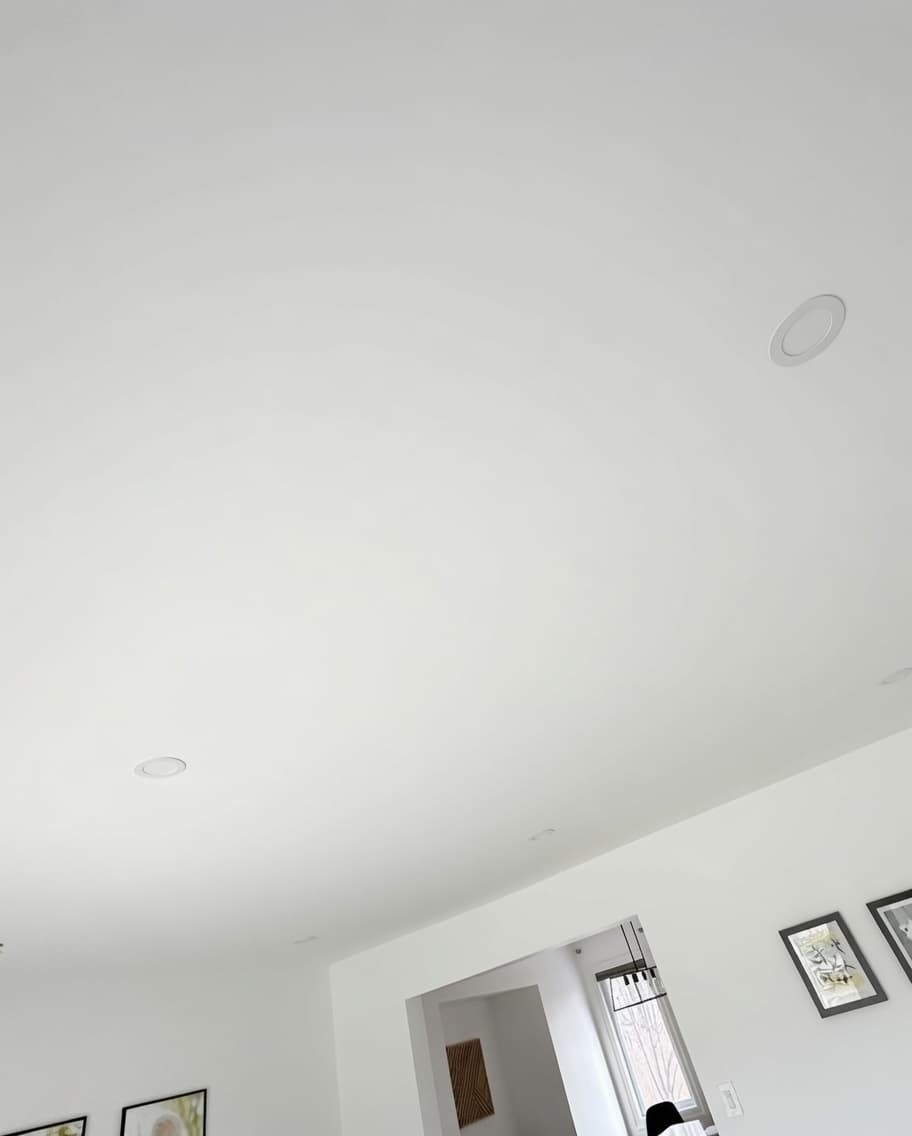
With the AC off in a Dallas August, joint compound can skin over in minutes, which leads to ridges and hairline cracks if it's rushed. In humid spring weather, when Gulf moisture rolls up through North Texas, it can feel dry on the surface but still be soft underneath. We adjust our mix and timing for the conditions in your house that day, and we never sand or prime over compound that isn't fully set. It's a small thing most people never see, but it's the difference between a ceiling that looks good for a month and one that still looks good in ten years.
Best time of year to remove popcorn in DFW? We work year-round. Fall and early spring are the most comfortable because you can open the house up afterward. Summer works too. We just schedule around keeping the HVAC off as briefly as possible.